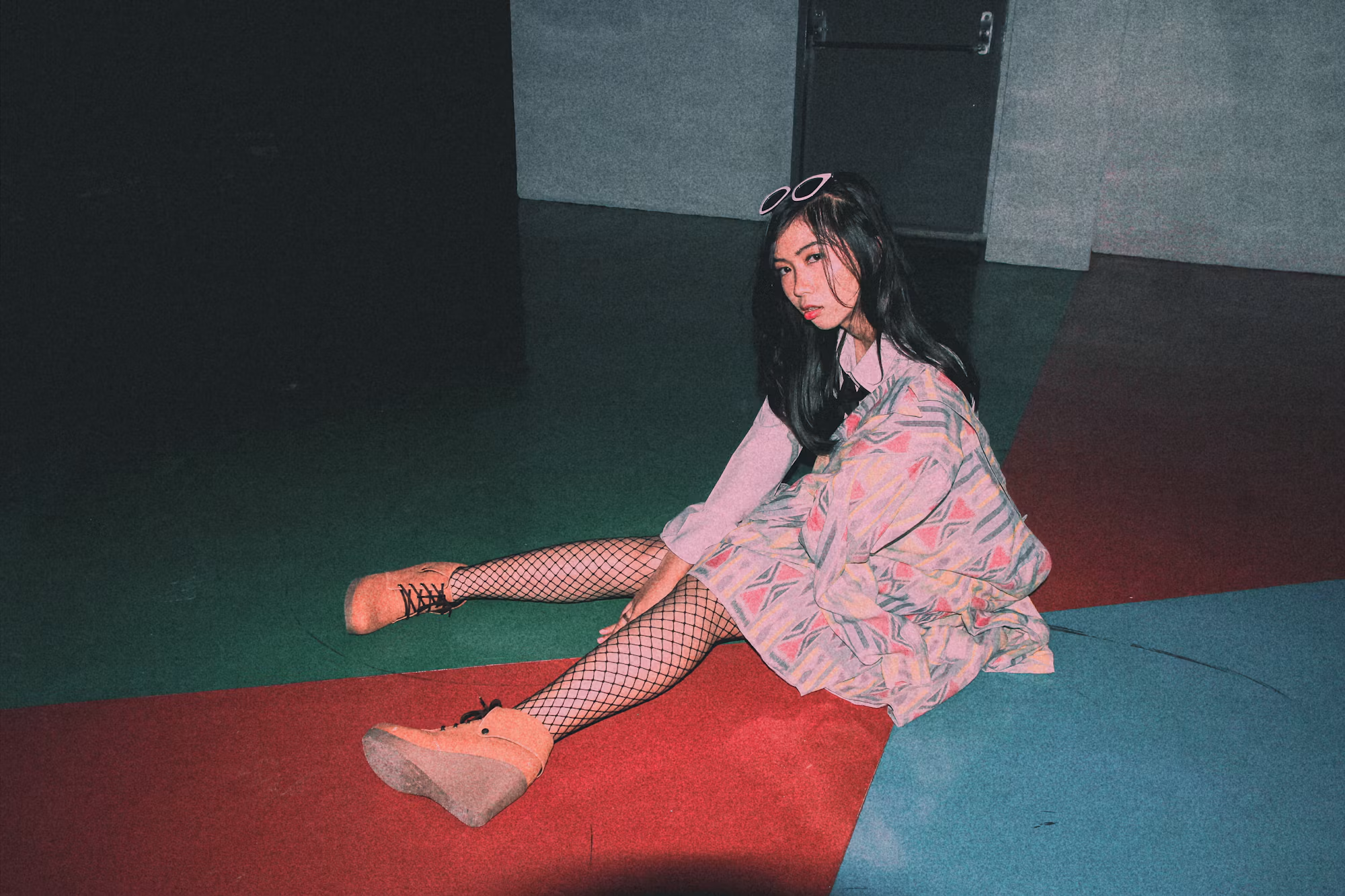
Fashion serves as a mirror reflecting the diversity of cultures and societies around the world. As globalization connects people across continents, it brings an amalgamation of styles, materials, and influences into the fashion landscape. This article delves into the ways global fashion trends are shaped by cultural exchanges, the significance of various styles, and how they foster individual expression while celebrating diversity.
One of the most visible impacts of globalization in fashion is the rise of streetwear, a style that has roots in urban culture and has transformed into a global phenomenon. Originating from the hip-hop and skateboarding communities of the United States, streetwear combines comfort with bold graphics, oversized silhouettes, and a mix of high and low fashion. This genre of fashion represents more than just clothing; it is a cultural movement that emphasizes individuality and community. Brands like Supreme and Off-White have become synonymous with streetwear, showcasing how a local trend can gain international recognition and influence.
Conversely, formal wear remains a significant component of fashion, evolving alongside societal norms and expectations. Traditionally associated with sophistication and professionalism, formal attire has adapted to contemporary tastes while still upholding its core values of elegance and refinement. The modern interpretation of formal wear allows for more flexibility, with designers incorporating unique fabrics, patterns, and colors that reflect personal style. This shift not only highlights the wearer’s identity but also embraces a more inclusive approach to professionalism in various settings.
Casual wear has also seen an evolution in recent years, moving from basic staples to a diverse array of options that cater to comfort and personal expression. The rise of athleisure has been a game-changer, blurring the lines between athletic and everyday wear. This style emphasizes functionality, allowing individuals to transition seamlessly from workout sessions to social outings. As a result, casual wear has become a canvas for creativity, enabling people to express their identities through their clothing choices while prioritizing comfort.
Bohemian fashion, rooted in the ideals of freedom and artistic expression, continues to resonate with many individuals. This style is characterized by flowing fabrics, intricate patterns, and a mix of vintage and modern pieces. The bohemian aesthetic draws inspiration from various cultures, often incorporating ethnic prints and artisanal craftsmanship. As individuals seek to embrace a more authentic and laid-back lifestyle, boho fashion offers a way to showcase personal style while celebrating global influences.
Vintage fashion remains a beloved choice among many fashion enthusiasts, with its timeless appeal and rich history. This style allows individuals to connect with the past, embracing garments from different eras and creating unique outfits that tell a story. The vintage trend promotes sustainability by encouraging the repurposing and reusing of clothing, highlighting the importance of mindful consumption. Vintage shops and online marketplaces have gained popularity, providing a platform for discovering one-of-a-kind pieces that reflect individual tastes and preferences.
Minimalist fashion has emerged as a powerful counterpoint to the often overwhelming nature of contemporary fashion. This style champions simplicity, focusing on clean lines, neutral colors, and high-quality materials. The minimalist approach encourages individuals to curate their wardrobes thoughtfully, choosing versatile pieces that can be mixed and matched effortlessly. By prioritizing quality over quantity, minimalist fashion fosters a sense of clarity and intention, allowing personal style to shine through without distraction.
High fashion, or haute couture, represents the pinnacle of creativity and craftsmanship within the fashion industry. This realm is characterized by exclusive designs, intricate detailing, and artistic expression. Renowned fashion houses showcase their collections during prestigious events such as Paris Fashion Week, captivating audiences with innovative concepts and luxurious materials. High fashion not only sets trends but also inspires emerging designers, pushing the boundaries of what is considered wearable art.
Gothic fashion presents a striking contrast to more mainstream styles, embracing darker aesthetics and unconventional silhouettes. This subculture draws influences from various sources, including Victorian fashion, punk movements, and alternative cultures. Gothic fashion allows individuals to explore their identities through bold choices, often incorporating elements such as lace, leather, and dramatic makeup. By celebrating the darker side of fashion, individuals can express their unique personalities while challenging societal norms.
Preppy fashion, known for its classic and polished style, draws inspiration from collegiate life and traditional aesthetics. Characterized by items such as polo shirts, tailored blazers, and loafers, preppy fashion embodies sophistication and refinement. However, the preppy aesthetic has evolved over time, incorporating modern twists and allowing for personal interpretation. This style encourages individuals to express their identities while maintaining a sense of elegance and tradition.
Ethnic and cultural fashion plays a vital role in promoting diversity and inclusivity within the fashion industry. By showcasing unique textiles, patterns, and traditional garments from various cultures, this category highlights the beauty of global influences. Embracing ethnic fashion allows individuals to honor different heritages while fostering an appreciation for the richness of diverse cultures. As more designers incorporate cultural elements into their collections, the fashion industry becomes a platform for storytelling and cultural exchange.
As we navigate the complexities of modern fashion, the importance of sustainability cannot be overlooked. The fast fashion model has raised concerns about environmental impact and ethical production practices. In response, many brands are shifting towards sustainable practices, focusing on eco-friendly materials, ethical sourcing, and timeless designs that promote mindful consumption. This movement encourages consumers to be more conscious of their fashion choices, leading to a more responsible approach to personal style.
Fashion is an ever-evolving reflection of culture, identity, and societal values. The intersection of global influences and local trends creates a vibrant tapestry of styles that resonate with individuals around the world. As we embrace the diversity of fashion, we also celebrate our unique identities, fostering connections that transcend borders. By understanding and appreciating the myriad of influences that shape our wardrobes, we enrich our lives with stories, creativity, and the spirit of self-expression. In this journey, fashion serves not only as a means of personal expression but also as a celebration of the beautiful diversity that exists in our world.
